CPSC Issues Exemptions To Lead Content Requirements
A previous blog post discussed the impact of the Consumer Product Safety Improvement Act of 2008 (“the CPSIA”) on foreign manufacturers of products sold in the United States. This blog discusses certain temporary exemptions that the Consumer Product Safety Commission (“the Commission”) has issued for certain categories of products. Some of them require manufacturers to take immediate action to qualify.
Bikes and Joggers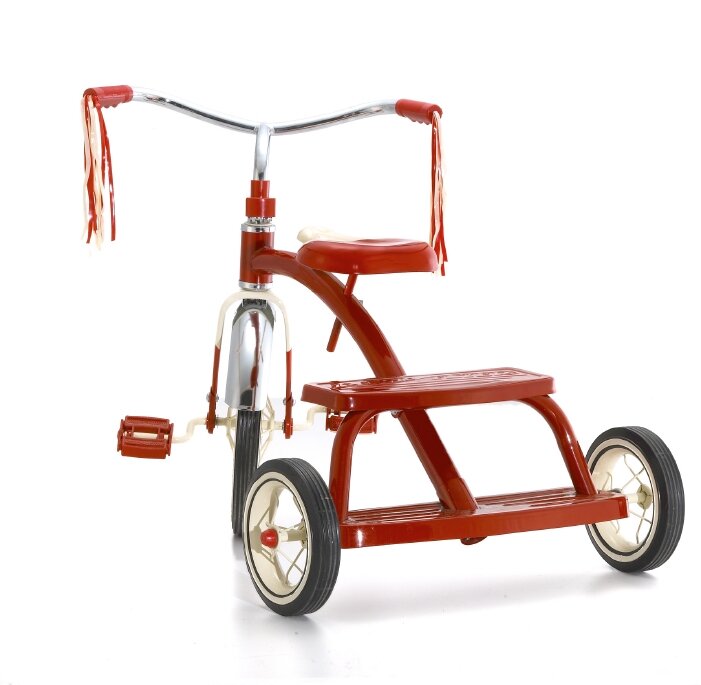
The Commission issued a conditional exclusion from the lead requirements for bicycle parts, jogger strollers, and bicycle trailers. However, to qualify for this exclusion, one must file a report with the Commission by August 29, 2009.
On March 11, 2009, the Bicycle Product Suppliers Association (“BPSA”) filed a petition to exclude a class of materials for certain bicycle parts, jogger strollers, and bicycle trailers intended for children ages 12 and younger. The BPSA sought exclusion for certain components made with metal alloys, including steel containing up to 0.35% lead, aluminum with up to 0.4% lead, and copper with up to 4% lead. The Commission originally denied the BPSA’s petition for exclusion. However, on June 25, 2009, the Commission decided to stay enforcement of the lead content levels for the components listed in the BPSA’s petition until July 1, 2011. This stay of enforcement is conditioned on: (a) the stay applying only to bicycles, jogger strollers, and bicycle trailers that are manufactured on or before June 30, 2011; (b) the stay applying only to the components and concentrations of lead that are listed above; (c) each manufacturer covered by the stay filing with the Secretary of the Commission, not later August 29, 2009, a report identifying each model of bicycle the manufacturer produced since May 1, 2008; and (d) no later than December 31, 2009, each manufacturer covered by the stay presenting a comprehensive plan to the Commission describing how it intends to reduce the lead exposure from parts used that exceed a 300 ppm lead content.
Youth Motorized Recreational Vehicles
 The Commission granted a stay of enforcement until May 1, 2011 of the lead content restrictions for certain parts of youth all-terrain vehicles, youth off-road motorcycles, and youth snowmobiles. Specifically, the exclusion pertains to battery terminals containing up to 100% lead, and components made with metal alloys, including steel containing up to 0.35% lead, aluminum with up to 0.4% lead, and copper with up to 4.0% lead. This stay of enforcement is subject to essentially the same conditions as those discussed in the “Bikes and Joggers” section above. These conditions include a requirement that each manufacturer covered by the stay file with the Secretary of the Commission a report that details all youth motorized recreational vehicle that the manufacturer has produced since March 1, 2008. No later than November 1, 2009, each manufacturer covered by the stay must also present a comprehensive plan to the Commission that describes how it intends to reduce the lead exposure of parts that have a lead content of over 300 ppm. Unfortunately, the deadline for submission of the first report has already passed. Accordingly, manufacturers who have not filed a timely report will be unable to take advantage of this stay of enforcement.
Youth Electronic Devices
Although the Commission stayed the testing and certification requirements for manufacturers of electronic devices until February 10, 2010, the stay did not provide much relief to these manufacturers, because many of their devices contain component parts that exceed the lead content limits of the CPSIA. In response to the outcry by the affected electronics manufacturers, the Commission issued an interim final rule that clarifies which products are subject to exemptions from the lead content limits. The rule provides that if a lead-containing component part is not accessible to a child, then it is not subject to the lead limits prescribed by the CPSIA. This exemption includes removable or replaceable component parts that are inaccessible when the product is assembled in functional form (e.g., most batteries). Additionally, the Commission provided a list of exemptions for child-accessible component parts that do not meet the lead content limits. All other child-accessible component parts are not exempt from the lead content limits. The CPSC published its interim final rule and a list of exempt, child-accessible component parts on February 12, 2009.
- Email This
- Comments
- Trackbacks
- Share Link
